


Japan and South Korea scrambled jets on Tuesday in response to a joint Chinese-Russian bomber patrol over international waters near both of those nations. Though part of an annual bilateral exercise, the flights come as tensions between China and Japan are heightened over the latter’s increasing signals of support for Taiwan.
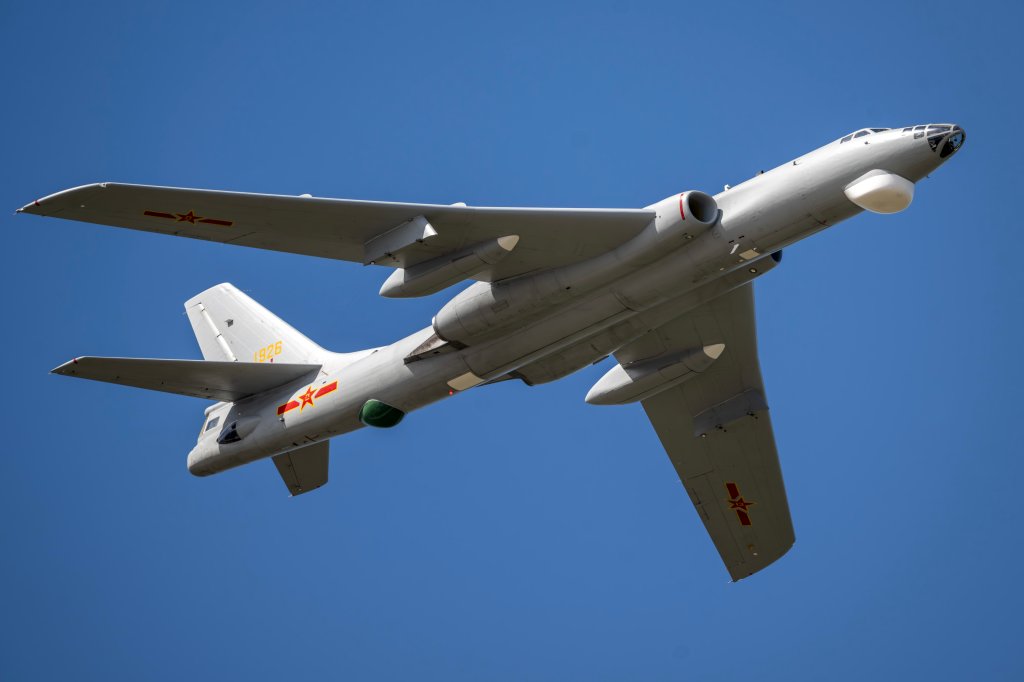
Two Russian Tu-95 Bear turboprop bombers flew south from the Sea of Japan into the East China Sea, the Japanese Defense Ministry (MoD) said. After flying between west of Japan and southeast of South Korea, they joined two Chinese H-6 series bombers near Okinawa Japan.
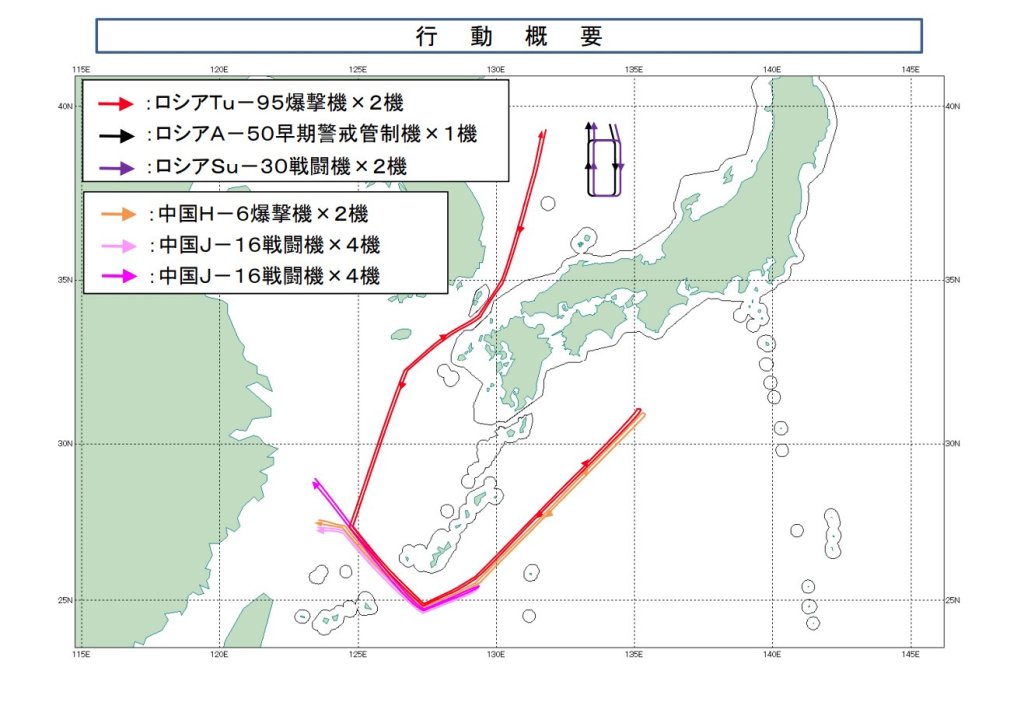
“They then conducted a long-distance joint flight from the East China Sea to the Pacific Ocean off the coast of Shikoku,” according to the ministry.
The bombers were joined by four Chinese J-16 Flanker multirole fighter derivatives “when these bombers flew back and forth between Okinawa Island and Miyako Island,” the Japanese MoD noted. The Bear bombers later flew back along the same route north into the Sea of Japan while the Chinese jets flew back toward China.


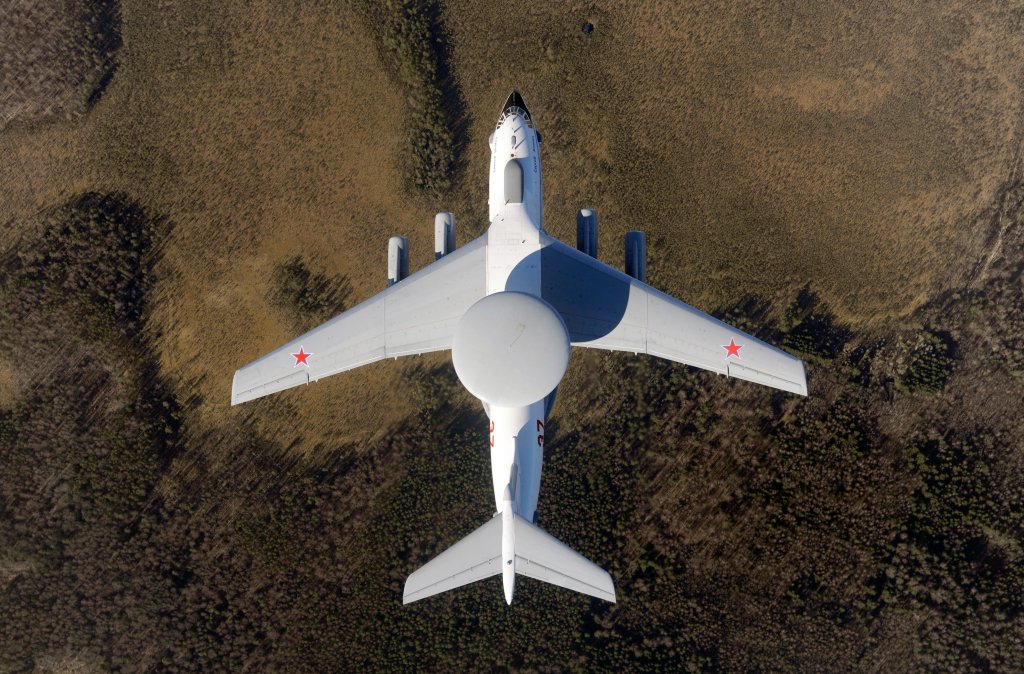
In addition to those flights, the Japanese said one Russian A-50 Mainstay early warning and control aircraft and two Russian Su-30 Flanker fighters were also spotted north of Japan in the Sea of Japan, the MoD stated.
“In response, fighter jets from the Japan Air Self-Defense Force’s Southwest Air Defense Command and other units were scrambled,” the MoD explained, without providing details about where jets flew.
South Korea also sent fighters aloft as the Chinese-Russian joint flight briefly flew into its Air Defense Identification Zone (KADIZ), according to the Yonhap News Agency.
“Two Chinese military planes and seven Russian aircraft successively entered the KADIZ at around 10 a.m. prompting the military to dispatch Air Force fighter jets in preparation for a possible accidental situation,” the Joint Chiefs of Staff (JCS) said.
The JCS did not identify what kind of aircraft took part in the joint Chinese-Russian flight, but bombers and fighters “intermittently entered and left the KADIZ for about an hour before completely retreating from the air defense zone.”
Joint Chinese-Russian flights in this area are not new. Since 2019, the two countries have sent their military planes into the KADIZ once or twice a year during joint exercises, without prior notice, Yonhap explained.
The last such flight took place in November 2024 when “11 military planes from both China and Russia entered the KADIZ together,” Yonhap noted.
As we previously reported, the first such flight took place in June 2019 and resulted in South Korean jets firing about 360 20mm cannon shells in a series of warning shots after a Russian Mainstay violated airspace South Korea claims above a small group of islets, which it refers to as Dokdo. Japan also claims these as its national territory, calling them collectively Takeshima, and registered its own complaint at the time that the Mainstay had violated Japanese national airspace.
While this was the 10th joint flight, it came as China and Japan are locked in an intensifying dispute over Japanese Prime Minister Sanae Takaichi’s comments that any Chinese attack on Taiwan would be considered an existential threat to Tokyo. Beijing considers the breakaway island nation to be part of China and has made it clear that it will take back Taiwan peacefully or through military means. Meanwhile, it sees growing militancy from Japan, whose armed forces are designed for self-protection in the wake of World War II, as an increasing threat.
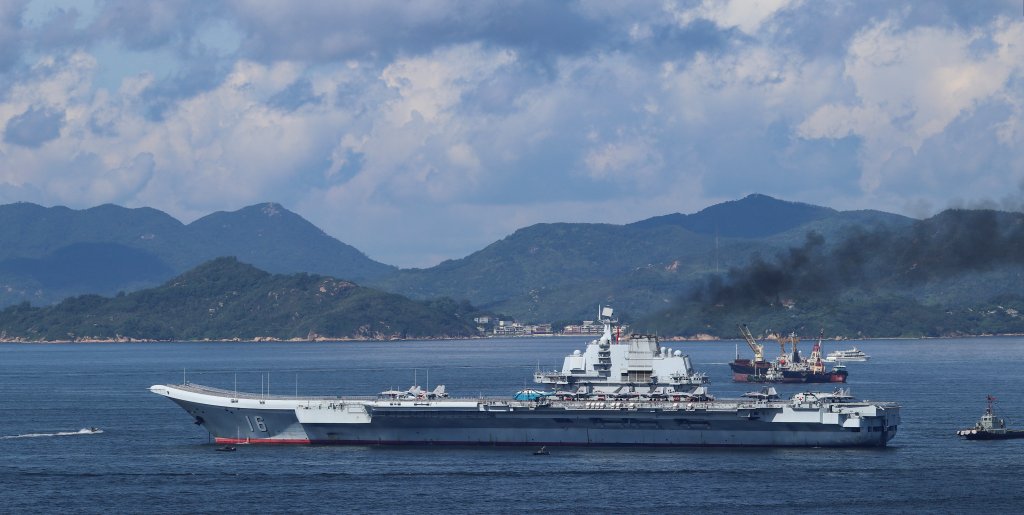
The flareup manifested itself on Saturday, when Chinese J-15 fighters launched from the aircraft carrier Liaoning near Okinawa and locked radar on two Japanese F-15 Eagle fighters. While both sides acknowledge the incident took place, there is a dispute about who caused it and how it was handled.
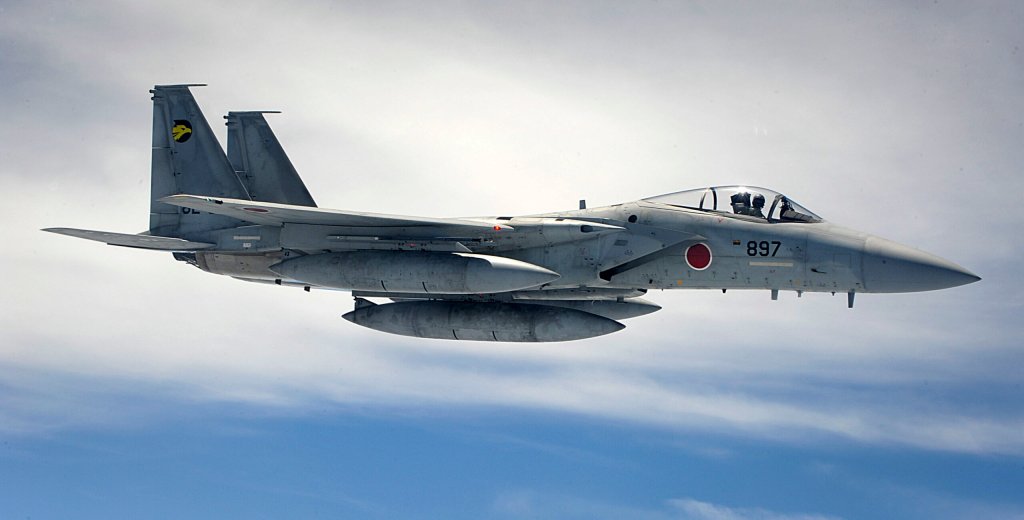
Japan claims its fighters were targeted while flying a safe distance from the Liaoning and its escorts, which were conducting training missions in the area. China claims that the Japanese fighters were interfering with the training, which sparked the incident.
The issue carried into Tuesday, when China released what it says was a call between its carrier group and the Japanese warning them away. Japan had previously complained China did not answer a deconfliction hotline.
All this comes amid growing Chinese consternation about Japan’s plans to place additional weaponry on Yonaguni Island, located about 70 miles from Taiwan.

Last week, the Japanese MoD announced plans “to deploy an electronic warfare [EW] air-defense unit capable of disrupting aircraft communications on the island of Yonaguni in Okinawa prefecture,” the Japanese Nikkei news outlet reported. The publication did not identify what type of EW system.
In November, we noted that Japan wanted to install an air defense system on Yonaguni that was likely the beginning of an increasing militarization of the island given its proximity to Taiwan. You can read more about that in our initial story here.
These flights are part of an increasing level of military cooperation between China and Russia. Last year, two Chinese H-6-series aircraft flew with a pair of Russian Bear bombers through a portion of the Air Defense Identification Zone (ADIZ) around Alaska. It marked the first time Chinese H-6s of any kind have operated in this part of the world. Similar maritime flotillas have occurred at an increasing rate, as well.
While the joint Chinese-Russian bomber patrol near Japan and South Korea has become routine and is planned to continue, the growing tensions between Beijing and Tokyo show no signs of abating.
Contact the author: howard@thewarzone.com



